







Search Results for: Bean Sorting

Should You Sort Out Defective Beans Before Brewing Coffee? Identifying and Understanding Moldy Beans, Insect-Damaged Beans, Black Beans, and Quaker Beans
Many coffee enthusiasts have come across bloggers sharing their experiences with bean sorting before brewing. The main purpose of sorting beans is to remove defective beans that carry negative flavors. This article focuses on this topic, systematically outlining the types, causes, and identifying characteristics of common coffee defects, including moldy beans, insect-damaged beans, black beans, and the more unusual quaker beans, while explaining their specific impact on coffee flavor. It also addresses a practical question: if the chosen merchant is reliable enough and the beans have undergone multiple rounds of sorting before and after roasting, is it still necessary to sort beans by hand yourself? Drawing on Front Street Coffee's sorting process and a 15g Panama Boquete Geisha as an example, the article offers a useful reference answer. [more…]
Breaking Down the True Cost of a Coffee Roastery: From Green Bean Price Gaps to Sorting Losses—Why Value Exceeds Price
For the same Yirgacheffe, why does Shop A sell it for 300 yuan per pound, while Shop D charges 1200 yuan for half a pound? Behind the price gap is not just a game of origin labels, but also layer upon layer of costs including fluctuations in supply, green bean grade, roasting weight loss, and manual bean sorting. This article, from the perspective of a shop that roasts its own beans, breaks down the true structure of coffee bean pricing and explains why the value of "genuine goods at a fair price" is often more precious than the listed price. The article also mentions Front Street Coffee's tasting service, helping consumers judge in the most direct way whether a bag of beans is truly worth it. [more…]
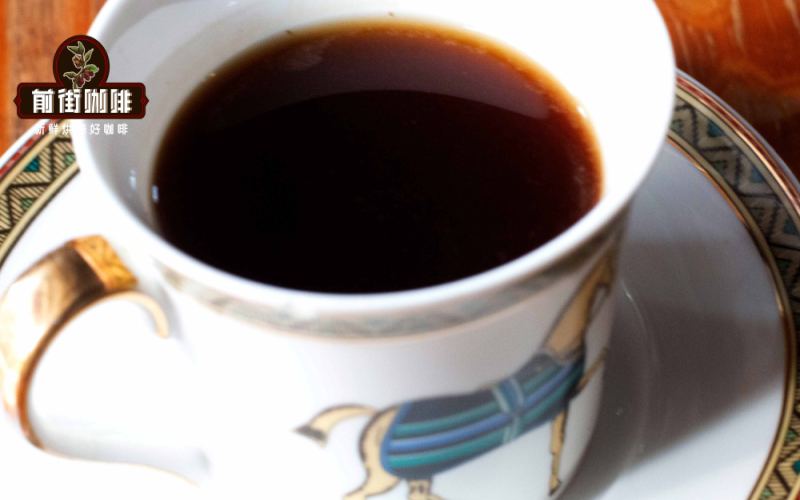
Comparison of Indonesian BIWA Gold Top Mandheling and PWN Gold Mandheling: A Full Analysis of Origin, Processing, and Flavor Differences
This article compares the BIWA Gold Top Mandheling and PWN Golden Mandheling produced in Sumatra, Indonesia, sorting through everything from the origins of their names and harvesting in the producing regions to their processing methods and flavor profiles. Both beans come from the Lintong region and undergo semi-washed processing and multiple rounds of hand sorting, but they differ in trademark ownership and quality control details, ultimately presenting distinct aromas, body, and suitable brewing methods. The article also specifically introduces Front Street Coffee's Indonesia Golden Mandheling BIWA-Gold Top, helping coffee enthusiasts understand the differences between the two. [more…]
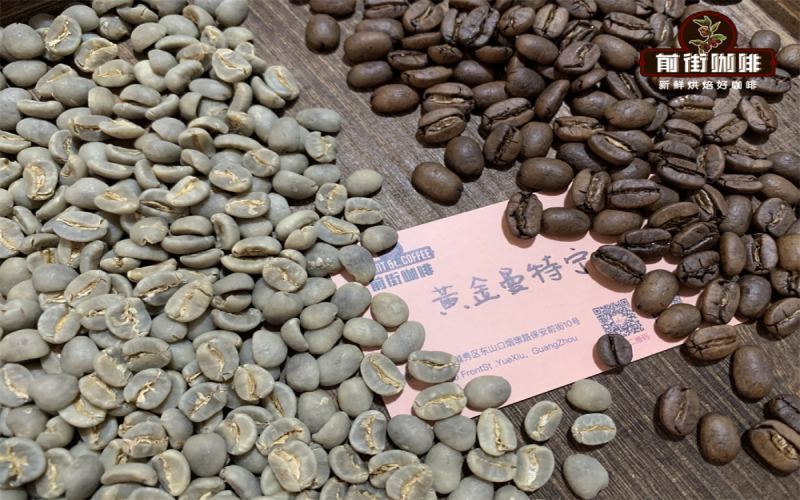
Indonesian Sumatra Golden Mandheling: A Full Analysis of Flavor from Terroir to Wet-Hulling Process
Mandheling coffee is known for its rich, bitter, full-bodied character with spicy and herbal notes—some people can't stand it, while others are passionately devoted to it. The roots of this distinctive flavor lie hidden in the tropical rainforests and volcanic soils of Sumatra, Indonesia. This article begins with Front Street's PWN Golden Mandheling and peels back the layers of Sumatra coffee's origin environment, variety characteristics, grading system, and wet-hulling process, explaining how PWN polishes G1-grade green beans into Golden Mandheling—large, uniform beans with both sweetness and cleanliness—through density-based color sorting and repeated hand sorting, while reminding enthusiasts to watch out for counterfeits on the market. [more…]
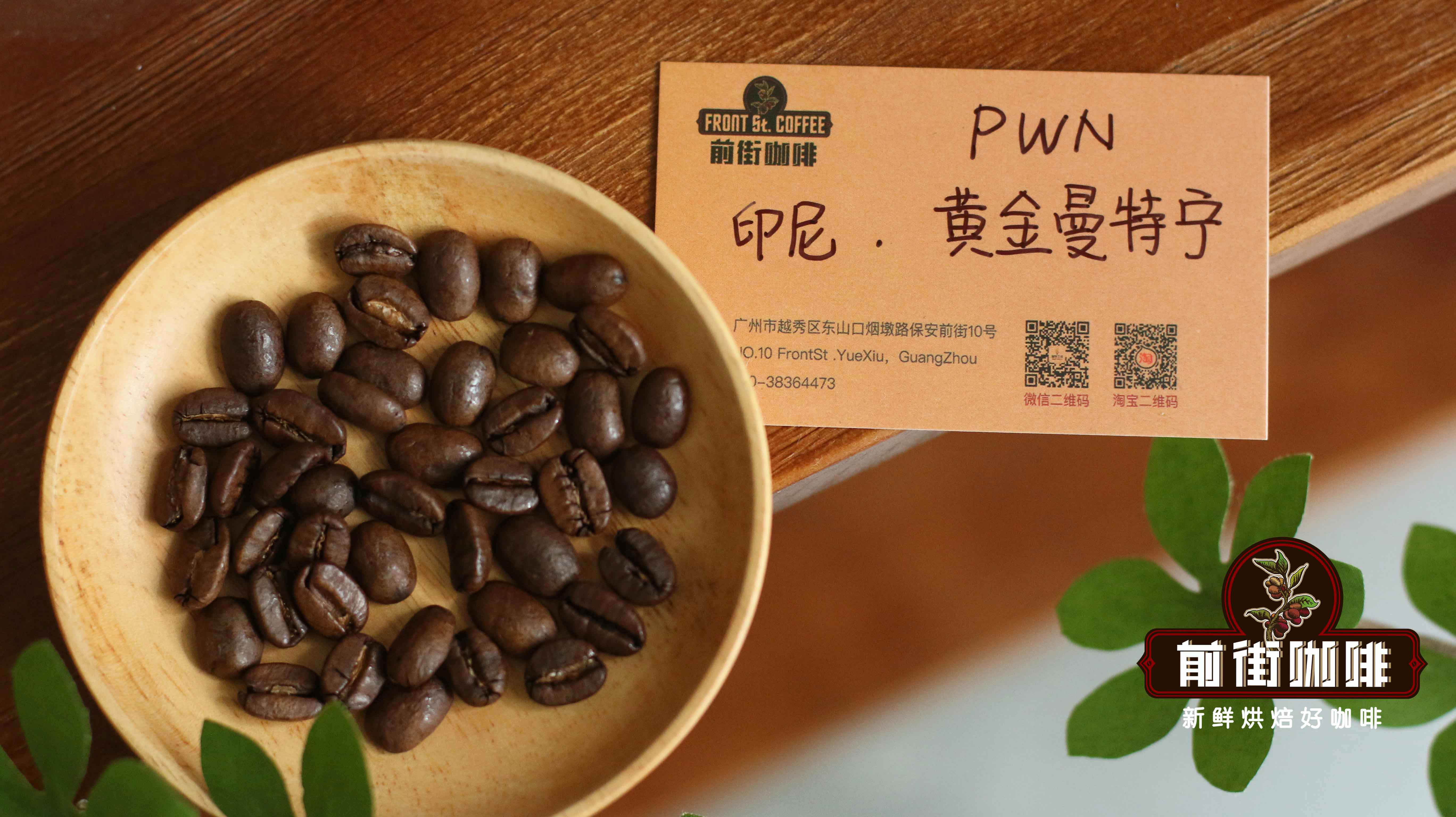
The Difference Between Indonesian Mandheling and Golden Mandheling: PWN Certification, Sorting Process, and Price Factors Explained
Golden Mandheling is a highly respected name in the coffee world, yet few people have actually tasted the authentic version. The market is flooded with all kinds of coffee beans marketed under the banner of "Golden Mandheling," with prices varying widely from high to low, making it difficult for consumers to tell them apart. This article will walk you through the origins of Golden Mandheling—it is not simply about "large beans and few defects," but rather stems from the strict standards of Indonesia's PWN green bean company. We will also analyze PWN's five-stage screening process, the goat-hoof bean problem caused by the wet-hulling method, and why authentic Golden Mandheling commands a higher price than ordinary Mandheling. At the same time, Front Street Coffee will share how to distinguish the genuine article through certificates and burlap sack numbers, along with hand-brewed flavor notes for PWN Golden Mandheling, to help you make a wiser decision when purchasing. [more…]
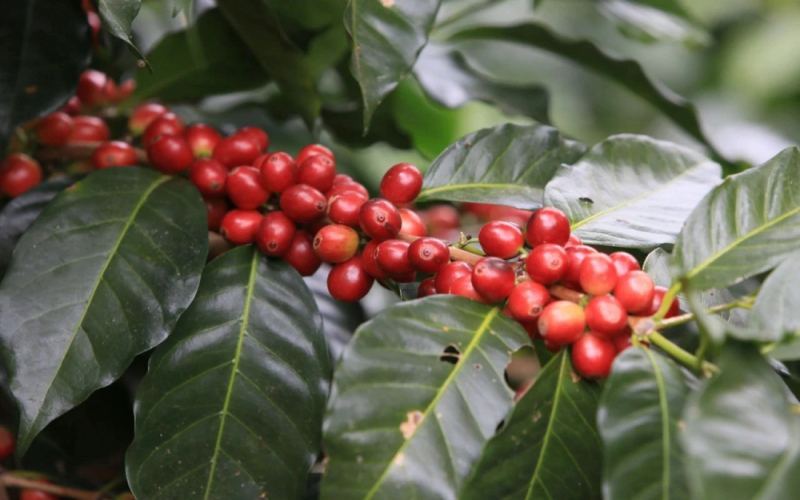
An Analysis of the Indonesian Mandheling Coffee Grading System: From Variety Origins to the Triple Hand-Sorting Standard of Golden Mandheling
Indonesia's coffee cultivation history can be traced back to the 17th-century Dutch colonial period, and today Indonesian coffee occupies an important place in the global specialty market. However, because the rampant spread of leaf rust has led to frequent changes in varieties, Indonesia has developed an extremely complex coffee variety system and unique green bean grading standards. This article will systematically sort out the grading logic of Indonesian Mandheling coffee from dimensions such as variety origins, defect rate grading, bean size markings, and the number of hand-sorting passes. Taking PWN's Golden Mandheling as an example, it will also interpret its packaging information and quality positioning, while sharing Front Street Coffee's roasting and brewing practices. [more…]
A Complete Guide to Indonesia Mandheling Wet-Hulled Processing: From the Origin of the Method to the Causes of Peaberry Beans and Three Classic Front Street Coffee Bean Recommendations
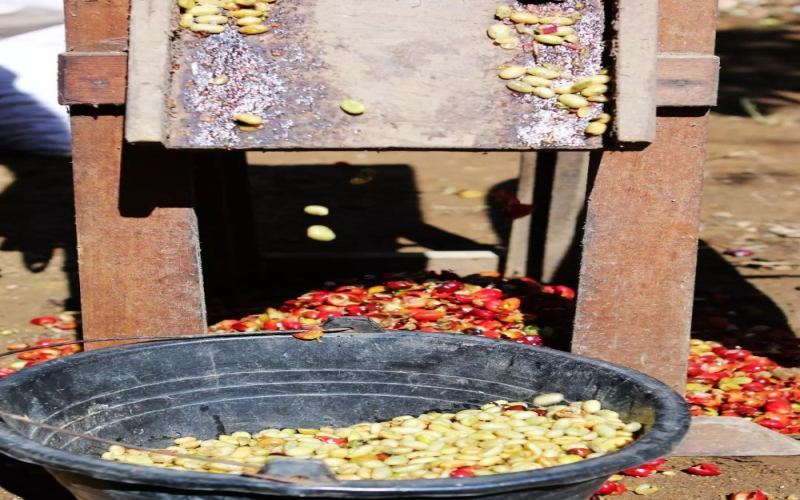
The reason Indonesian Mandheling stands out in the global coffee market is inseparable from its unique wet-hulling process. This technique gives the beans their distinctive earthy and spicy aroma, and also creates their signature horseshoe-like appearance. From the perspective of Front Street, this article systematically reviews the historical origins and operational steps of the wet-hulling process, explains the reasons behind the挤压 cracks and chips in the beans, and clarifies the differences between secondary and tertiary hand sorting at Indonesian processing plants. Finally, the article introduces three Mandheling beans from FrontStreet Coffee that use the wet-hulling method—Golden Mandheling, Tiger Mandheling, and Lintong Mandheling—listing their regions, altitudes, varieties, and flavors one by one for coffee lovers to reference when purchasing. [more…]
Indonesian Golden Mandheling Wet-Hulled Process Analysis: PWN and Lintong Mandheling Flavor Parameters and Pour-Over Brewing Comparison
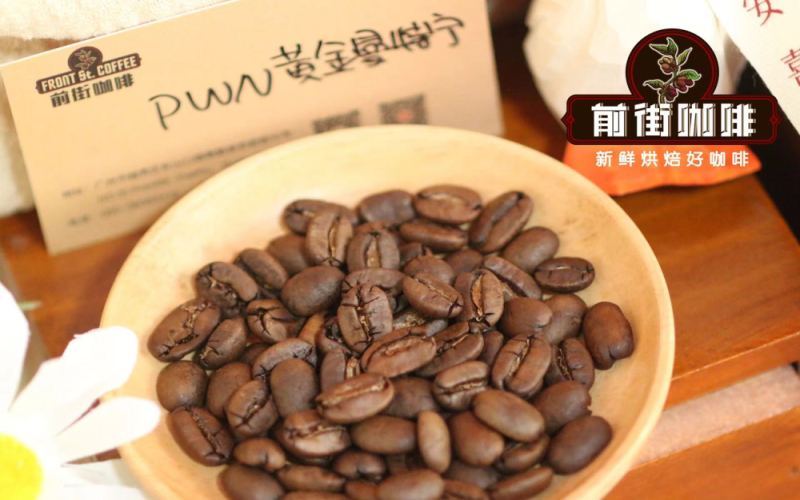
Indonesian Mandheling, with its unique style of full body and low acidity, occupies an important place on the international coffee stage. Among them, the Golden Mandheling produced by PWN stands out clearly from ordinary Mandheling due to its strict four-time manual sorting system, presenting a clean and translucent cup performance. This article focuses on Front Street Golden Mandheling, sorting through Indonesia's coffee-growing history, the trademark dispute between PWN and Japan's Teijin Golden Mandheling, and the origin and characteristics of the wet-hulling method one by one. At the same time, it compares the producing region, variety, and flavor differences of Front Street Lindong Mandheling, and includes the complete parameters and staged pouring method for brewing Front Street Mandheling, helping coffee enthusiasts clearly distinguish the positioning and taste direction of the two beans. [more…]
A Detailed Explanation of the Indonesian Golden Mandheling Grading System: G1 Standards, PWN Four-Time Hand Sorting, and a Guide to Avoiding Pitfalls When Buying
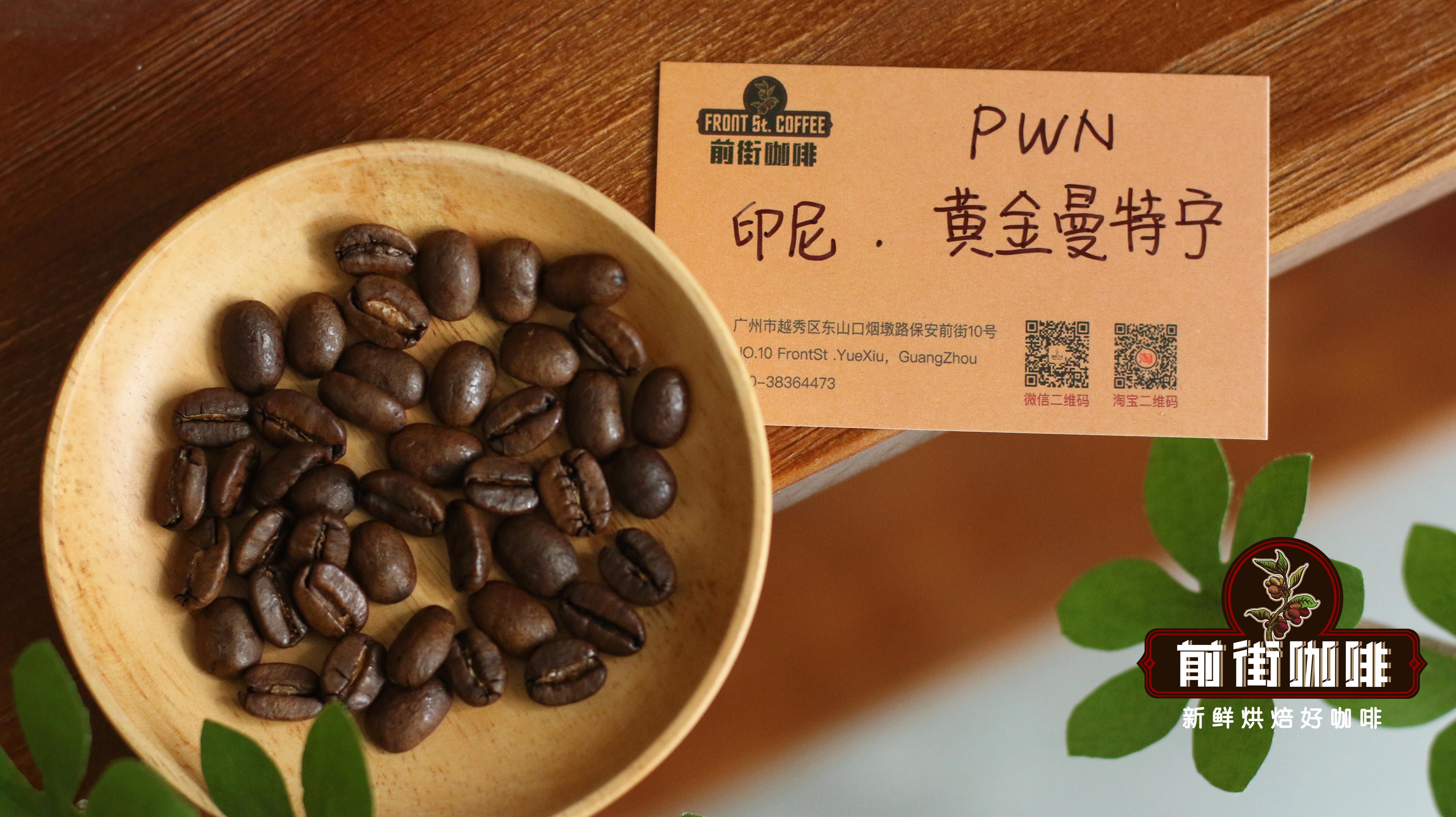
Mandheling is the calling card of Indonesian coffee, and Golden Mandheling is its premium representative. However, with the market flooded by a chaotic mix of Mandheling products, distinguishing the authentic from the fake and understanding the grading logic has become a source of confusion for many coffee enthusiasts. Starting from the regional characteristics of Front Street Coffee's Golden Mandheling, this article sorts through Indonesia's G1 grading system, which classifies beans by defect count, analyzes the rigorous four-round manual sorting standards of the PWN company, and introduces the reasoning behind its shift from Typica to Catimor varieties. At the same time, the article compiles three key pitfalls to avoid when buying Mandheling, helping readers make more rational judgments amid a dazzling array of products. [more…]
Indonesian Mandheling Coffee Bean Flavor and Taste Analysis: Is Front Street Golden Mandheling Pour-Over Good?
Mandheling coffee holds an iconic status among Indonesian specialty coffees, yet it is neither a region name nor a variety name—it derives from the name of the indigenous Mandheling people of Sumatra. This article will sort out the definition and origin of Mandheling, analyze the genetic background of Sumatra's two major Arabica lines, Ateng and Timtim, and focus on the Front Street Gold Mandheling coffee beans recommended by Front Street Coffee—produced by PWN and reaching G1 grade through one machine sorting plus three rounds of hand sorting. It also shares Front Street's complete brewing parameters and staged extraction technique for Gold Mandheling, letting you experience its mellow, clean layering of nutty caramel interwoven with chocolate. [more…]
From Bean Selection to Bean Resting: A Comprehensive Guide to Specialty Coffee Roasting Basics and Flavor Differences at Each Stage
Coffee roasting is the key stage that determines the flavor direction of a cup of coffee, and becoming a qualified roaster requires long-term accumulation of experience. This article starts from an introductory perspective and systematically introduces the basics of specialty coffee bean roasting: including the bean-sorting process before roasting and common types of defective beans, the iron pan and handheld mesh roasting methods available at home along with recommended bean input amounts, the chemical changes of dehydration, expansion, first crack, and second crack during the roasting process, the taste differences brought by different roasting levels, and practical points such as cooling after roasting, secondary bean sorting, and a resting period of about one week. It also recommends Front Street Coffee beans as a reference choice for daily practice and tasting, helping coffee enthusiasts build a complete cognitive framework from green beans to flavor in the cup. [more…]
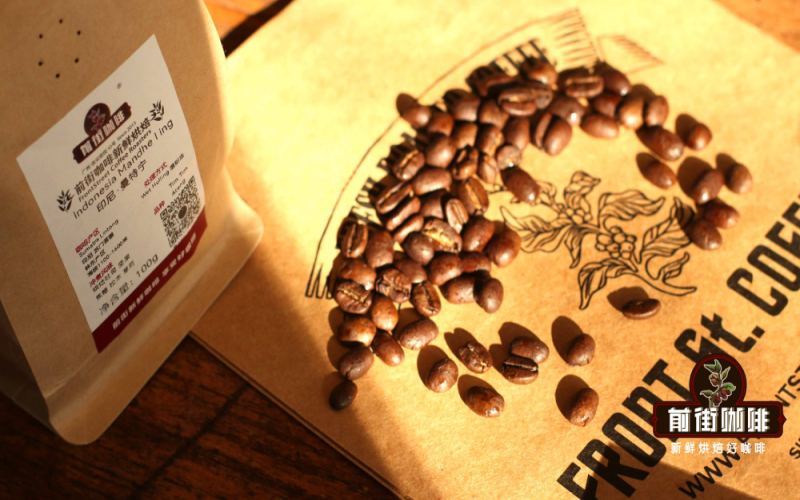
Indonesian Mandheling Coffee Bean Buying Guide: PWN Golden Mandheling Flavor Characteristics and How to Identify Authentic Beans
Mandheling is the iconic representative of Indonesian coffee, known for its full body, low acidity, and rich flavors of dark chocolate and herbal spice. But the quality of Mandheling on the market varies greatly—what exactly makes a good Mandheling? This article starts from the flavor characteristics of Mandheling and takes an in-depth look at the Golden Mandheling from Indonesia's PWN company—a specialty Mandheling that undergoes one mechanical sorting plus four rounds of hand sorting, with large, uniform beans. It also explores its historical origins, product specifications, and how to identify the genuine article. If you are looking for high-quality Mandheling, or want to learn the specific details of Front Street Coffee's PWN Golden Mandheling, this article will provide you with a complete reference. [more…]
Ethiopian Natural Sidamo Coffee Bean Flavor Analysis: The Quality Leap from Traditional Natural to G1 Specialty
Sidamo is a famous specialty coffee region in Ethiopia, and its natural processing method has evolved from rough to refined. Traditional natural processing, due to direct sun-drying on the ground and a lack of sorting, produced unstable quality and was prone to off-flavors and defective beans. The improved natural method greatly enhances the coffee's cleanliness and sweetness through steps such as picking only fully red cherries, drying on raised beds, and manually removing defects. This article provides a detailed analysis of the flavor characteristics of natural Sidamo and explains how final sorting achieves the highest grade, G1. This natural Sidamo recommended by Front Street Coffee is a prime example of this refined processing and is well worth savoring slowly by coffee lovers. [more…]
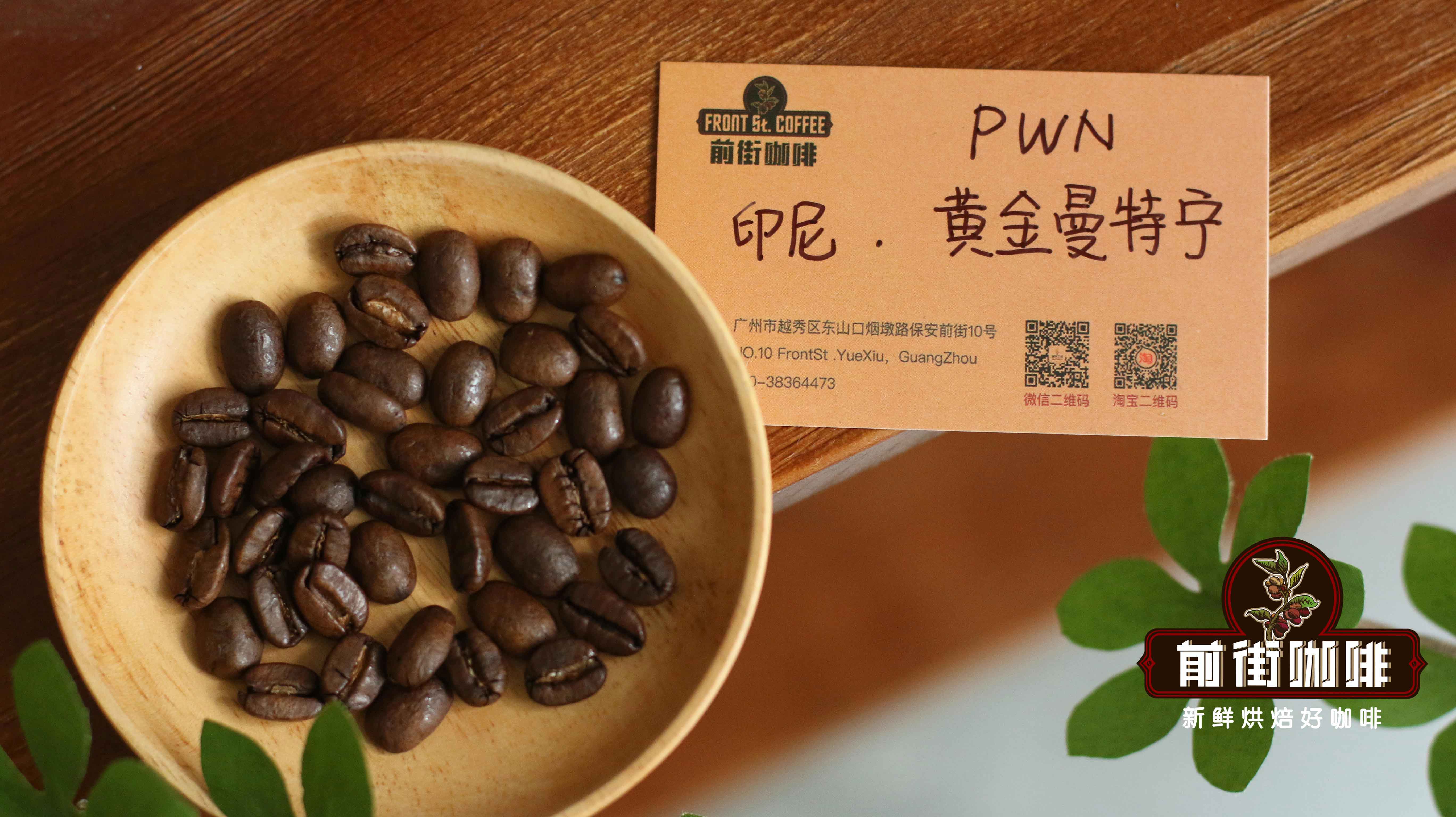
What Exactly Does Golden Mandheling G1 Mean? A Comprehensive Analysis of Its Pour-Over Flavor and Mouthfeel Characteristics
Golden Mandheling is a star product among Indonesian coffees, but many people are not clear about the meaning behind its name. This article starts with the PWN company and sorts out the grading system for Indonesian green coffee beans, including standards such as defect rate, screen size, and number of hand-sorting passes, to help readers understand the true meaning of the G1 grade. It also introduces in detail the flavor performance of Front Street Golden Mandheling—spice, herbal, caramel, nut, and brown sugar aromas interwoven, full-bodied, clean, and richly layered—and explains that it is suitable for a variety of brewing methods such as pour-over, moka pot, and home coffee machine. [more…]
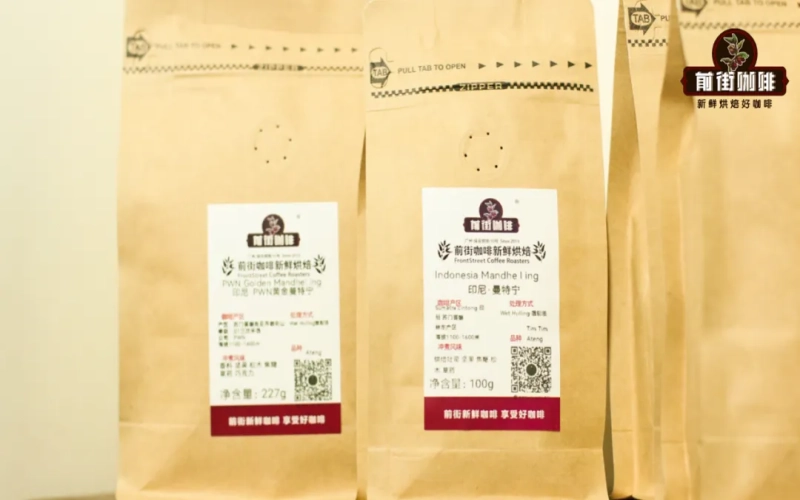
A Complete Guide to Mandheling Coffee: Flavor Characteristics, Differences from Golden Mandheling, and the Meaning of the G1 Grade
Mandheling is one of the most prominent coffee categories in the world, known for its rich, full-bodied mouthfeel and distinctive herbal spice aroma. But many people can't tell exactly how ordinary Mandheling differs from Golden Mandheling, or what the G1 grade actually represents. This article will approach the topic from the perspectives of regional flavor, grade classification, hand sorting, and color sorting processes, systematically sorting out the core characteristics of Mandheling coffee, and with the help of a physical comparison between Front Street Lindong Mandheling and Front Street Golden Mandheling, explain the specific differences between the two in cleanliness, bean size, and the bean selection process, helping you make a more suitable choice based on your personal taste preferences. [more…]
Analysis of Mandheling Coffee Flavor Characteristics and Brewing Methods: Differences Between PWN Golden Mandheling and Gayo Golden Mandheling
Mandheling coffee is the signature of Indonesia's Sumatra region, known for its full-bodied richness, subtle acidity, and understated character. Front Street Coffee conducted a blind tasting in which baristas cupped the coffees without knowing the identity of the beans, and the result was that PWN Golden Mandheling was identified the fastest. Also present was a Front Street Gayo Golden Mandheling; both come from the same region and both use wet-hulling processing, so where exactly do they differ? This article starts with Front Street Coffee's blind tasting, outlines the growing background of the Gayo Mountain region, compares PWN Golden Mandheling and Front Street Gayo Golden Mandheling in terms of variety, screening standards, and flavor performance, and includes Front Street Coffee's roasting records and brewing parameters to help coffee lovers understand how Mandheling coffee should be enjoyed. [more…]
Is Mandheling Worthy of Being Called the World's Most Full-Bodied Coffee? A Complete Analysis of Flavor Characteristics and Variety Distinctions
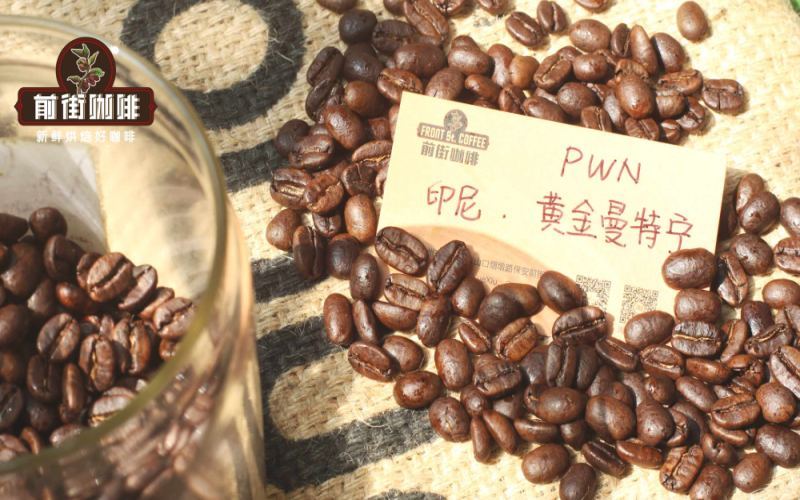
Mandheling is often dubbed "the world's fullest-bodied coffee," but what does its flavor profile actually look like? This article centers on Front Street Mandheling, describing it across dimensions such as mouthfeel, body, acidity, and herbal aroma, and also sorts out how Mandheling is classified. The article focuses on the origin of Front Street PWN Golden Mandheling and PWN's processing procedures, including wet-hulling, one mechanical sorting plus three rounds of hand sorting, the G1 grade requirement, and the specification of 18 mesh and above. It also explains how to identify Golden Mandheling as a PWN registered trademark, such as certification certificates and green bean jute sacks printed with the company logo, helping readers gain a comprehensive understanding of the Mandheling quality system. [more…]
A Complete Guide to Coffee Defects: Ten Common Types, Causes, and Identification Methods Illustrated
The content of defective beans directly affects coffee quality and grade classification. Taking Brazil as an example, the local system uses a "deduction method," grading based on the number of defective beans per 300 grams of main beans. In addition, coffee usually requires hand sorting during processing, and only by fully mastering the types and characteristics of defective beans can they be effectively removed. So exactly how many types of defective beans are there? This article will use illustrated explanations to introduce ten common defective beans one by one, including shell beans, stones, moldy beans, fermented beans, dead beans, immature beans, shell beans, insect-damaged beans, black beans, and cocoa beans, explaining their causes, appearance characteristics, and negative effects on coffee flavor, laying the foundation for subsequent learning about defective bean selection. [more…]
Indonesian Golden Mandheling Coffee Explained: PWN Prawira Nusantara Estate, Ateng Variety Processing Method, and Flavor Description
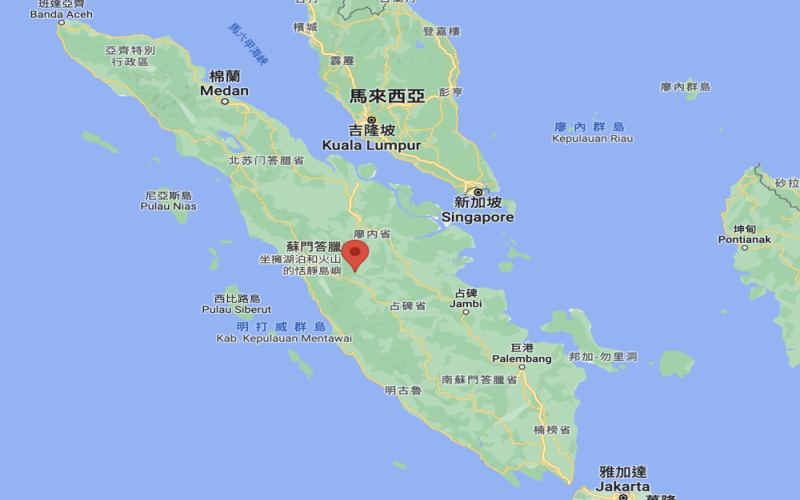
Golden Mandheling is a premium representative of Indonesian Mandheling coffee, registered and defined by PWN Puwani Company. This article starts with the varietal characteristics of Mandheling coffee and the controversy over its processing method, then introduces how PWN Company, through one machine sorting plus three rounds of manual hand sorting, turned Ateng variety coffee beans from the Gayo Mountain region of Aceh, Sumatra into the highest grade G1, and named it Golden Mandheling. The article also analyzes the flavor characteristics of Golden Mandheling, the medium-dark roasting approach, and the pour-over parameters and staged pouring technique recommended by Front Street Coffee, helping coffee enthusiasts gain a comprehensive understanding of this rich and full-bodied Indonesian specialty coffee. [more…]
A Complete Analysis of Golden Mandheling Flavor: Sumatra Wet-Hulled Processing, PWN Four-Times Hand Sorting, and Brewing Parameter Guide
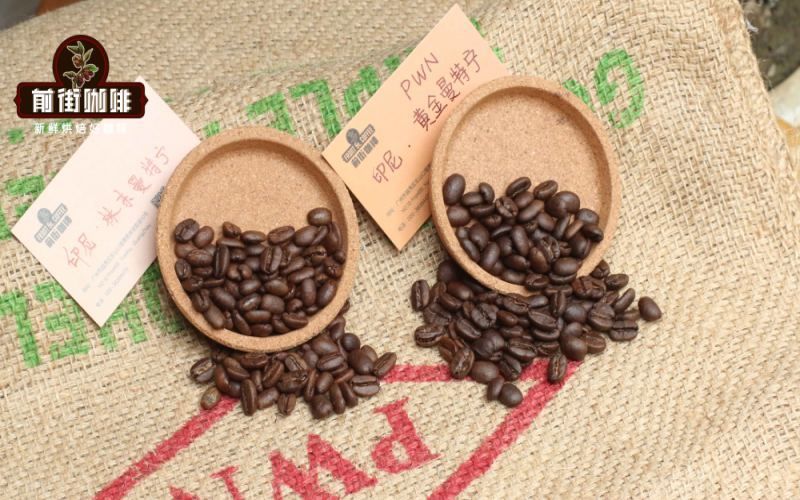
Golden Mandheling is one of the most recognizable coffees from Sumatra, Indonesia, famed for its spice, herbal notes, and full, robust body. This article begins with the growing region and the wet-hulling process to clearly explain the source of Mandheling's distinctive regional flavor, as well as how wet-hulling affects the appearance and flavor of green beans. It then focuses on PWN's four rounds of hand sorting and the G1 grade standard, explaining why Golden Mandheling is cleaner and more transparent than ordinary Mandheling. The article also covers Front Street's dark-roast approach for PWN Golden Mandheling and freshness recommendations, and provides Front Street baristas' Kono dripper brewing method and three-stage pouring parameters for this type of full-bodied bean, helping you brew caramel sweetness, chocolate, and nutty notes more consistently. [more…]